.png)
December 6, 2025
•
[rtime]
mins
Chipotle
At a glance
This edition is brought to you by Axios
Good morning to all new and old readers! Here is your Saturday edition of Faster Than Normal, exploring the stories, ideas, and frameworks of the world’s most prolific people and companies—and how you can apply them to build businesses, wealth, and the most important asset of all: yourself.
Today, we’re covering Chipotle and their journey to transforming a tiny Denver burrito shop into a $40-billion fast-casual giant that reshaped an entire industry.
If you enjoy this, feel free to forward along to a friend or colleague who might too. First time reading? Sign up here.
What you’ll learn:
How Chipotle Changed Fast Food
Lessons on simplicity can be a superpower, culture eats strategy for breakfast and build systems, not just products
Cheers,
Alex
P.S. Send me feedback on how we can improve. We want to be worthy of your time. I respond to every email.
Chipotle
Chipotle's story is one of accidental success. It began in 1993 when Steve Ells, a classically trained chef, opened a small burrito shop in Denver. His goal? To make enough money to start a fine dining restaurant.
But something unexpected happened. People loved the burritos.
Ells had stumbled onto a winning formula: fresh ingredients, customizable orders, and fast service. It was a new category of restaurant - "fast casual" - before that term even existed.
The first Chipotle was an instant hit. Within a month, it was selling over 1,000 burritos a day. Ells scrapped his fine dining plans and focused on expanding Chipotle.
Growth wasn't easy. Ells had to convince skeptical investors that a burrito chain could succeed nationally. Many thought Mexican food was just a regional taste.
"Everyone told me it wouldn't work," Ells said. "But I knew we had something special."
The turning point came in 1998 when McDonald's invested in Chipotle. This infusion of capital allowed for rapid expansion. By 2006, there were over 500 locations.
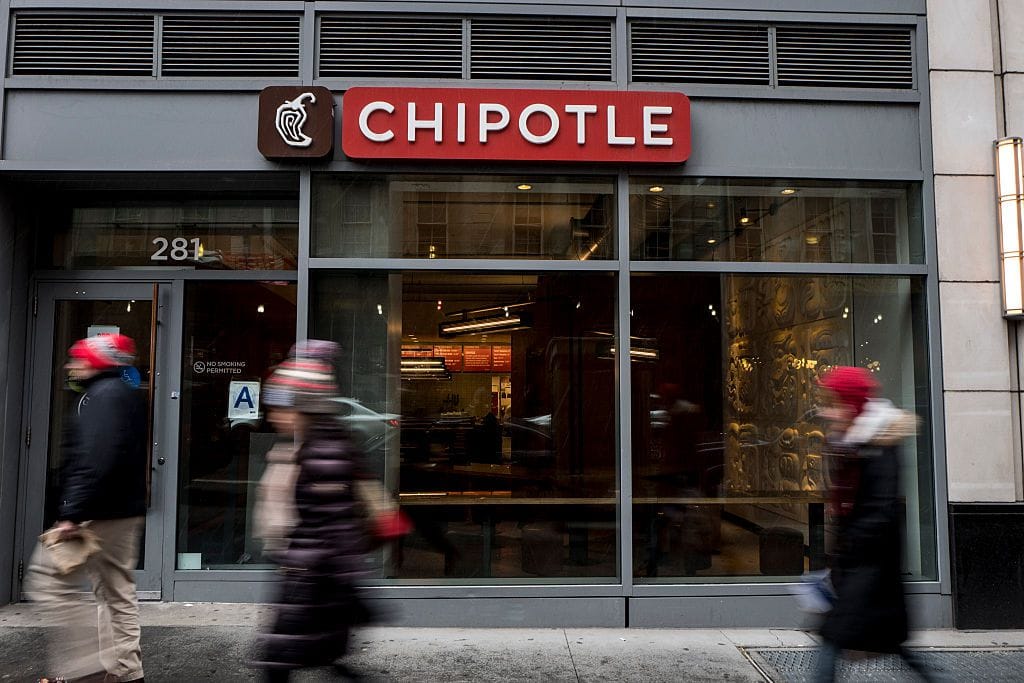
Chipotle went public in 2006. The stock doubled on its first day of trading.
But success brought new challenges. As Chipotle grew, maintaining food quality became harder. In 2015, an E. coli outbreak linked to Chipotle restaurants sickened hundreds of customers.
Sales plummeted. The stock price fell 40%. Many wondered if Chipotle could recover.
"It was the darkest time in our history," said CEO Brian Niccol. "We had to rebuild trust with our customers."
Chipotle overhauled its food safety practices. It invested in marketing to win back customers. Slowly, sales began to rebound.
The company also embraced digital ordering and delivery - moves that proved prescient when the COVID-19 pandemic hit. Digital sales now account for nearly half of Chipotle's business.
Today, Chipotle has over 3,000 restaurants and a market value of $40 billion. It's one of the most successful restaurant chains of the past 30 years.
What's the secret to Chipotle's success? Ells points to a simple philosophy:
"Focus on a few things and do them well. Use high-quality raw ingredients, classic cooking methods, and a distinctive interior design. And then let the customers create exactly what they want."
This approach - simple food, made well, customized for each customer - has proven remarkably durable. From a single burrito shop to a global brand, Chipotle's rise shows how a simple idea, executed well, can change an industry.
Not bad for a backup plan.
Lessons
Lesson 1: Simplicity can be a superpower. Chipotle's menu is tiny compared to most fast food chains. But this constraint breeds creativity. Customers can mix and match ingredients to create thousands of combinations. It's a lesson in doing more with less. As founder Steve Ells puts it: "Focus on a few things and do them well. Use high-quality raw ingredients, classic cooking methods, and a distinctive interior design.”
Lesson 2: Culture eats strategy for breakfast. Chipotle's success isn't just about burritos. It's about people. They promote from within, turning $9-an-hour crew members into $100,000-a-year managers. This creates a culture of opportunity and loyalty. As former co-CEO Monty Moran said: "When you have a culture where people feel it, and wants nothing more than to make those people successful, those people feel it. And when those people feel it, they become committed."
Lesson 3: Build systems, not just products. Chipotle's success isn't just about good food. It's about efficient operations. They've optimized every aspect of their restaurants, from kitchen layout to ordering process. This allows them to serve high-quality food quickly. As former CFO Jack Hartung said: "We're not in the burrito business. We're in the people business."
Lesson 4: Stay nimble as you grow. Despite having thousands of locations, Chipotle maintains a startup-like ability to innovate. They're quick to test new ideas, from menu items to digital ordering systems. As Niccol explains: "We're always looking for ways to enhance convenience with Chipotlanes, alternative formats, delivery and catering to provide many ways for our guests to Chipotle."
Lesson 5: Make your brand stand for something. Chipotle's "Food with Integrity" isn't just a slogan. It's a mission. They've built their brand around ethical sourcing and fresh ingredients. This gives customers a reason to choose Chipotle beyond just taste. As Ells explains: "It was never about burritos and tacos. It was about reinventing fast food."
Attention is scarce. Learn how to earn it.

Every leader faces the same challenge: getting people to actually absorb what you're saying - in a world of overflowing inboxes, half-read Slacks, and meetings about meetings.
Smart Brevity is the methodology Axios HQ built to solve this. It's a system for communicating with clarity, respect, and precision — whether you're writing to your board, your team, or your entire organization.
Join our free 60-minute Open House to learn how it works and see it in action.
Runs monthly - grab a spot that works for you.
Speeches and Interviews
Book Recommendations
Further Readings
The Genius That Grew Chipotle to $88B: A Comprehensive Analysis
Behind the Scenes with Chipotle Chairman and Co-CEO Steve Ells
Chipotle Marketing Strategy: Revolutionizing the Fast Food Industry
That’s all for today, folks. As always, please give me your feedback. Which section is your favourite? What do you want to see more or less of? Other suggestions? Please let me know.
Have a wonderful rest of week, all.
Recommendation Zone
⎯
Build Global Teams, Save Smart
Hiring remote talent has been one of the most impactful decisions I’ve made, supporting everything from marketing and customer support to operations and admin.
I’ve used Athyna, a global talent platform that helps companies quickly hire top professionals from talent-rich regions like Latin America, Southeast Asia, and Africa — often delivering up to 70% cost savings. They move fast (under 5 days), and cover roles across engineering, marketing, design, and ops.
Athyna sources talent from companies like Facebook, Uber, Zoom, and Salesforce, so you’re not sacrificing quality, just unlocking global efficiency. Highly recommend giving them a look.


Alex Brogan
Find me on X, LinkedIn, YouTube, Instagram, TikTok
Offshore Talent: Where to find the best offshore talent. Powered by Athyna.
Why Faster Than Normal? Our mission is to be a friend to the ambitious, a mentor to the becoming, and a partner to the bold. We achieve this by sharing the stories, ideas, and frameworks of the world's most prolific people and companies—and how you can apply them to build businesses, wealth, and the most important asset of all: yourself.
Faster Than Normal is a ‘state' of being’ rather than an outcome. Outlier performance requires continuous, compounded improvement. We’re your partner on this journey.
Send us your feedback and help us continuously improve our content and achieve our mission. We want to hear from you and respond to everyone.
Interested in reaching Founders, Operators, and Investors like you? To become a Faster Than Normal partner, apply here.
Share the Faster Than Normal newsletter


.png)


